Soft Sweet Sourdough Bread
Highlighted under: Oven-Kissed Treats
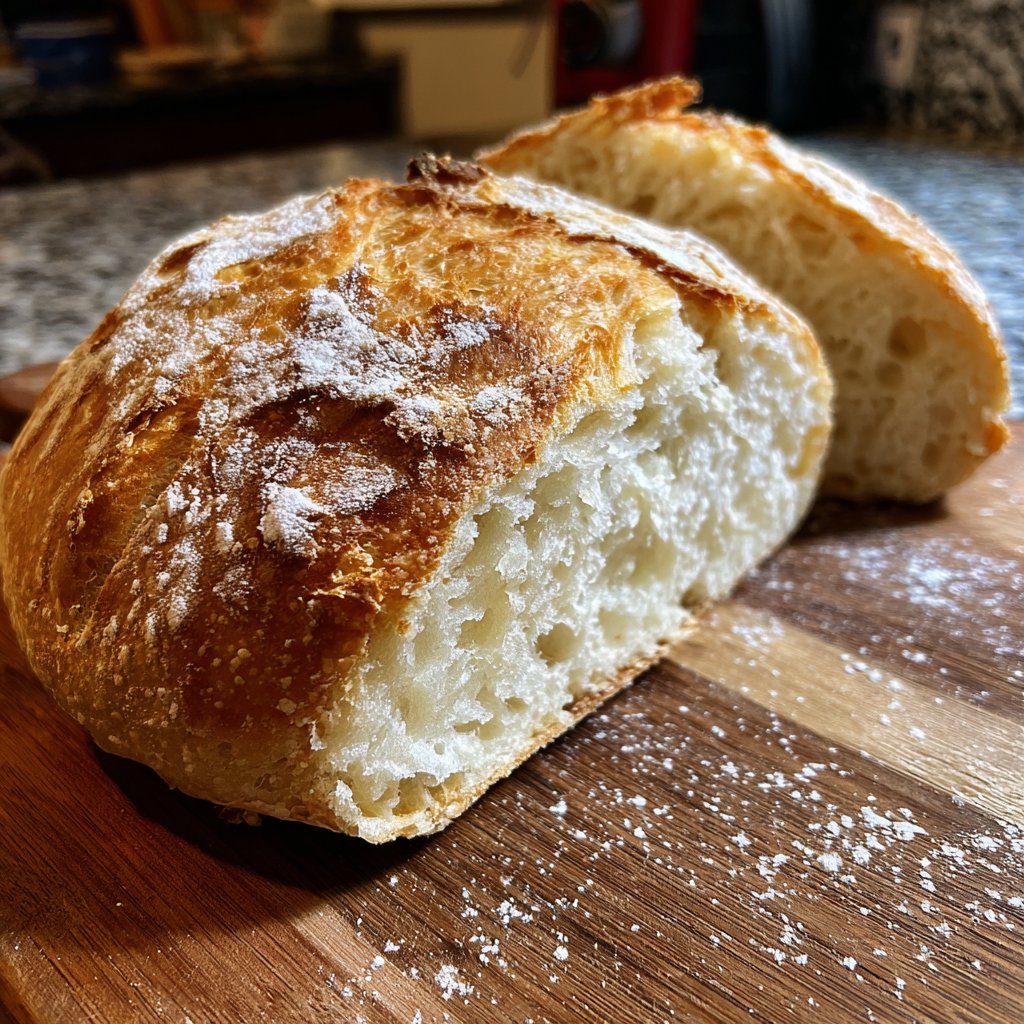
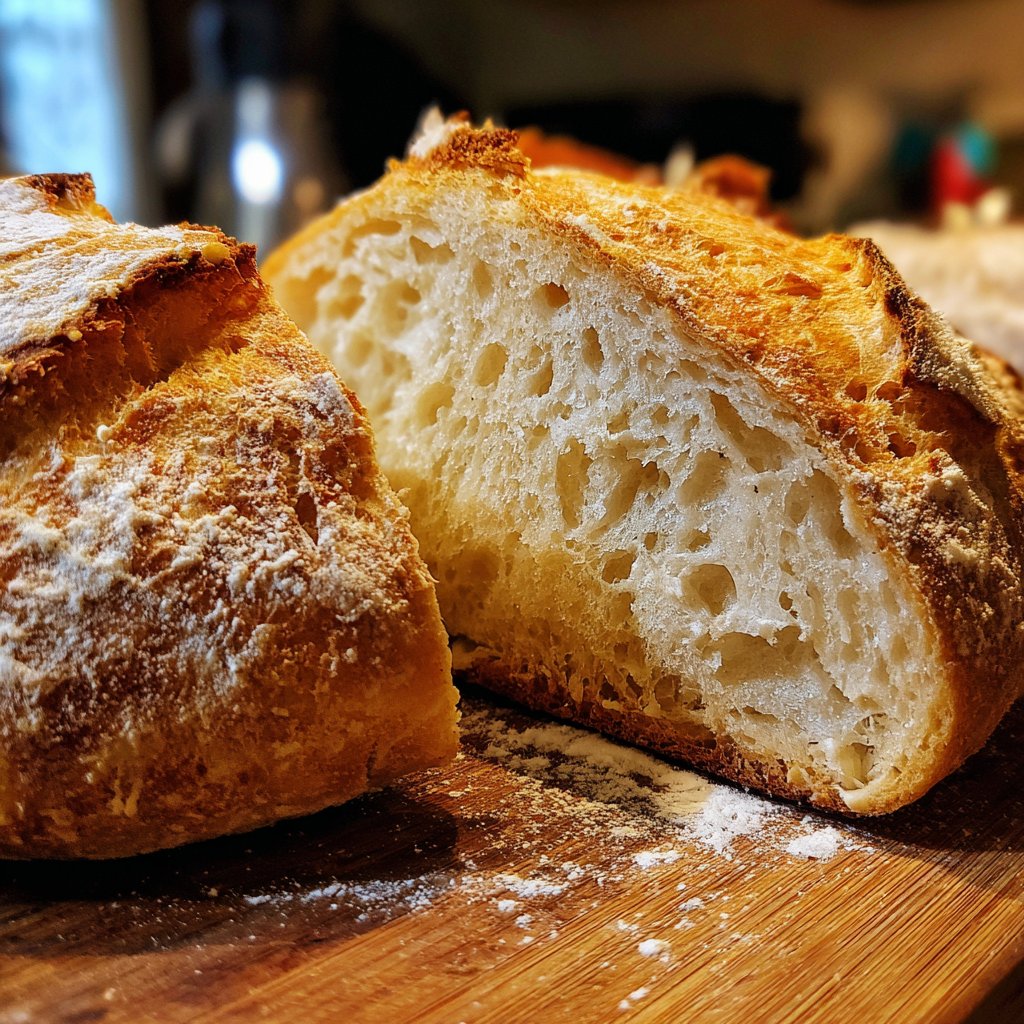
I absolutely love making Soft Sweet Sourdough Bread at home, especially on weekends when I have a little more time to dedicate to baking. The aroma that fills my kitchen while this bread is baking is nothing short of heavenly. With its soft and sweet interior and a crust that's just the right amount of chewiness, it's a perfect accompaniment to breakfast or as a delicious snack throughout the day. Plus, the tang from the sourdough starter adds a subtle complexity that elevates every bite.
When I first decided to try my hand at sourdough, I was pleasantly surprised at how forgiving the dough was. Through several trials, I learned the importance of patience and allowing the dough to rise fully for that perfect fluffiness. The addition of a bit of sugar helps balance the sourness while providing a soft texture that feels like a hug for your taste buds.
One of my favorite parts of making this bread is shaping the loaf. It might take a little practice, but watching the dough transform into a beautiful round shape is incredibly rewarding. I often let the dough rest longer than usual to develop a deeper flavor, and it always pays off with every slice I cut!
Why You'll Love This Recipe
- Irresistibly soft texture that melts in your mouth
- Perfectly balanced sweetness with a hint of tang
- Great for sandwiches, toast, or simply with butter
Understanding Your Sourdough Starter
The success of Soft Sweet Sourdough Bread largely depends on the vitality of your sourdough starter. An active starter should be bubbly and have doubled in size after feeding, indicating that it’s ready to leaven your bread. If your starter is sluggish, consider feeding it more frequently or adjusting the temperature of its resting environment. A warm spot (around 24-27°C or 75-80°F) can help invigorate it for better results. Remember, a robust starter yields a more flavorful bread, enhancing the tangy notes you desire.
In case your starter isn’t as robust as you’d like, you can add a bit of yeast to the mix to give it a boost. About 1-2 grams of instant yeast can work wonders without overpowering the sourdough flavor. Keep in mind to still ensure your starter is at peak condition—this addition is merely a shortcut to achieving reliable results, especially if you're baking in a cooler climate.
Kneading Technique and Hydration
Kneading is a vital step in developing the gluten structure of your bread. Aim for a smooth and elastic texture, which typically takes about 10-15 minutes of kneading. If you’re unsure, perform the windowpane test: stretch a small piece of dough gently; it should become translucent without tearing. If not, continue kneading until you achieve that consistency. Adding olive oil not only enriches the dough but also aids in creating that soft crumb by improving hydration retention.
If the dough feels too sticky during kneading, you may sprinkle a little flour as needed, but avoid over-flouring; this can lead to a denser loaf. Alternatively, consider using the stretch-and-fold technique if you're short on time. This method allows for periodic gluten development without overworking the dough, making it a favorite for many home bakers.
Storing and Serving Your Bread
Once your Soft Sweet Sourdough Bread has cooled completely, slice it using a serrated knife for clean cuts. Store the bread in a paper bag or a bread box at room temperature for up to 3 days to maintain its flavor and texture. If you're looking to store it longer, consider wrapping it tightly in plastic wrap and placing it in the freezer. Properly frozen sourdough can last for about 3 months; just be sure to thaw it at room temperature before enjoying it again.
This bread is incredibly versatile! Serve it as the base for gourmet sandwiches, lightly toasted with a smear of butter, or with a side of your favorite jam. You can even use it for a decadent French toast by soaking slices in an egg mixture before cooking it on a skillet. With its delightful sweetness and tender crumb, every slice offers a new way to enjoy your homemade creation.
Ingredients
Gather your ingredients before you start the process to make your baking a breeze:
Ingredients
- 500g bread flour
- 350ml warm water
- 100g active sourdough starter
- 30g sugar
- 10g salt
- 2 tablespoons olive oil
Make sure all ingredients are at room temperature for the best results!
Instructions
Follow these steps to create your own Soft Sweet Sourdough Bread:
Mix the Dough
In a large bowl, combine the flour, sugar, and salt. In a separate bowl, mix the warm water with the active sourdough starter until well blended. Slowly incorporate the starter mixture into the dry ingredients, stirring with a wooden spoon until a rough dough forms.
Knead and Hydrate
Turn the dough onto a floured surface and knead for about 10-15 minutes until it's smooth and elastic. Add olive oil gradually, ensuring the dough absorbs it thoroughly.
First Rise
Place the dough in a greased bowl, cover it with a damp cloth, and let it rise in a warm place for 4-6 hours or until it has doubled in size.
Shape the Loaf
Gently punch down the risen dough and transfer it onto a lightly floured surface. Shape it into a round loaf and place it in a floured banneton or bowl for the second rise for about 2-3 hours.
Preheat and Bake
Preheat your oven to 220°C (428°F). Once ready, carefully transfer the dough onto a baking tray lined with parchment paper. Bake for 30-35 minutes until golden brown and hollow-sounding when tapped.
Cool Down
Let the bread cool on a wire rack before slicing to avoid a gummy texture. Enjoy your homemade sourdough bread warm or toasted!
Patience is key during resting and rising stages; it allows flavors to develop fully!
Pro Tips
- For the best taste, use freshly milled flour if possible, and keep your sourdough starter active for optimal rise.
Enhancing Flavor and Texture
To elevate the flavor profile of your Soft Sweet Sourdough Bread, consider adding mix-ins such as herbs, spices, or seeds. Caraway seeds or rosemary can introduce an aromatic touch, while adding chia or flax seeds will not only enhance nutrition but also add a delightful crunch to the crust. Ensure that any additions are well distributed throughout the dough to maintain consistent flavor in every bite.
For an even richer taste, experiment with different types of flour. Mixing in a portion of whole wheat flour can make for a nuttier flavor and increased fiber content, while using spelt flour can yield a subtly sweet taste. Just remember that whole grain flours absorb more water than white flour, so you may need to adjust the hydration accordingly during mixing.
Troubleshooting Common Issues
If your sourdough bread doesn't rise as much as expected, it could be due to under-proofing or using a stale starter. Always ensure your dough has doubled in size during the first rise. If you suspect your starter may be weak, perform a float test: drop a spoonful of the starter in water; if it floats, it’s lively enough to use. If not, it may need more feeding before it's incorporated into the recipe.
On the other hand, if the crust is too hard or the interior is too dense, you may have over-kneaded your dough or baked it for too long. Keep an eye on the color of the crust as it bakes; it should be golden brown and sound hollow when tapped. To remedy a too-hard crust next time, try reducing oven temperature by 10-15°C (20-30°F) and lengthening the baking time to allow for a better crumb texture.
Questions About Recipes
→ How do I know if my sourdough starter is active?
Your starter should be bubbly and have doubled in size within 6-8 hours after feeding.
→ Can I use all-purpose flour instead of bread flour?
Yes, but bread flour yields a chewier texture due to higher protein content.
→ How long can I keep my sourdough bread?
It can be stored at room temperature for up to 3 days, or freeze for longer freshness.
→ What should I do if my dough isn't rising?
Make sure your starter is active, and check the ambient temperature; ideally, it should be around 75°F (24°C).
Soft Sweet Sourdough Bread
Created by: Lillian Hayes
Recipe Type: Oven-Kissed Treats
Skill Level: Intermediate
Final Quantity: 1 loaf
What You'll Need
Ingredients
- 500g bread flour
- 350ml warm water
- 100g active sourdough starter
- 30g sugar
- 10g salt
- 2 tablespoons olive oil
How-To Steps
In a large bowl, combine the flour, sugar, and salt. In a separate bowl, mix the warm water with the active sourdough starter until well blended. Slowly incorporate the starter mixture into the dry ingredients, stirring with a wooden spoon until a rough dough forms.
Turn the dough onto a floured surface and knead for about 10-15 minutes until it's smooth and elastic. Add olive oil gradually, ensuring the dough absorbs it thoroughly.
Place the dough in a greased bowl, cover it with a damp cloth, and let it rise in a warm place for 4-6 hours or until it has doubled in size.
Gently punch down the risen dough and transfer it onto a lightly floured surface. Shape it into a round loaf and place it in a floured banneton or bowl for the second rise for about 2-3 hours.
Preheat your oven to 220°C (428°F). Once ready, carefully transfer the dough onto a baking tray lined with parchment paper. Bake for 30-35 minutes until golden brown and hollow-sounding when tapped.
Let the bread cool on a wire rack before slicing to avoid a gummy texture. Enjoy your homemade sourdough bread warm or toasted!
Extra Tips
- For the best taste, use freshly milled flour if possible, and keep your sourdough starter active for optimal rise.
Nutritional Breakdown (Per Serving)
- Calories: 270 kcal
- Total Fat: 6g
- Saturated Fat: 0.5g
- Cholesterol: 0mg
- Sodium: 300mg
- Total Carbohydrates: 50g
- Dietary Fiber: 2g
- Sugars: 4g
- Protein: 9g