Classic Aioli Sauce Recipe
Highlighted under: Global Tastes
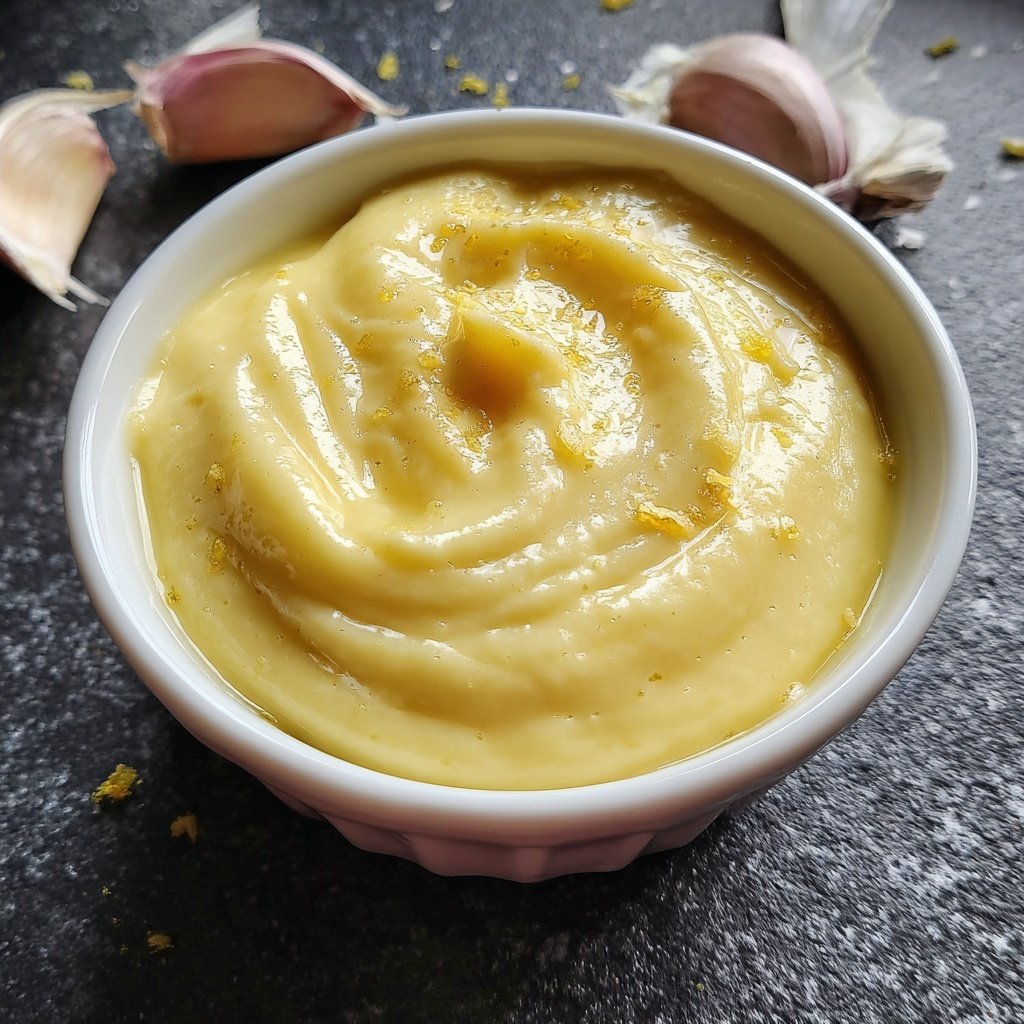
I absolutely love making my own aioli at home; it elevates any dish with its rich and garlicky flavor. This Classic Aioli Sauce Recipe has become a must-have in my kitchen—perfect for dipping vegetables, spreading on sandwiches, or pairing with seafood. The process is surprisingly simple and quick, requiring just a few fresh ingredients to create a creamy, homemade sauce that rivals any restaurant version. Once you taste this vibrant and aromatic sauce, you'll want to keep making it for every occasion!
When I first attempted to make aioli, I was amazed by how easily this beloved garlic sauce came together. Using just a few basic ingredients: garlic, egg yolk, lemon juice, and olive oil, I found that the key to a creamy texture is to slowly drizzle in the olive oil while whisking aggressively. This emulsification process results in a thick and luscious sauce that can take any meal to the next level.
After several tries, I discovered that freshly minced garlic produces a more robust flavor compared to pre-made garlic pastes. I also recommend tasting and adjusting the lemon juice to your preference—it brightens up the heavy texture and adds a refreshing zing that truly enhances the overall experience of this classic sauce.
Why You Will Love This Recipe
- Rich garlic flavor that brings dishes to life
- Creamy, velvety texture that enhances everything
- Quick and simple to make with fresh ingredients
Understanding the Ingredients
Each ingredient in this aioli plays a crucial role in achieving the perfect balance of flavors and texture. The egg yolks provide richness and act as an emulsifier, helping to bind the oil and water components of the sauce smoothly. When selecting your olive oil, opt for a high-quality extra-virgin variety, as it not only contributes flavor but also enhances the overall creaminess of the aioli. A good olive oil should have a fruity aroma and a peppery finish, elevating the sauce significantly.
Garlic is the star of the show in aioli, so freshness is key. Using fresh garlic cloves rather than pre-minced options will yield a more robust and vibrant taste. Mince the garlic as finely as possible; this helps it blend seamlessly into the mixture, creating that rich flavor profile characteristic of aioli. If you're concerned about garlic's pungency, you can roast the garlic first for a milder, sweeter flavor.
Mastering the Emulsification Process
Emulsifying the aioli properly is essential for achieving that creamy, thick texture. It's important to add the olive oil very slowly while whisking continuously. This can be done either by hand with a whisk or using an electric mixer on low speed. The goal is to create tiny oil droplets that disperse evenly throughout the mixture. If you pour too quickly, the aioli may separate, making it harder to fix. If this happens, whisk in a teaspoon of cold water and incorporate more olive oil gradually to bring it back together.
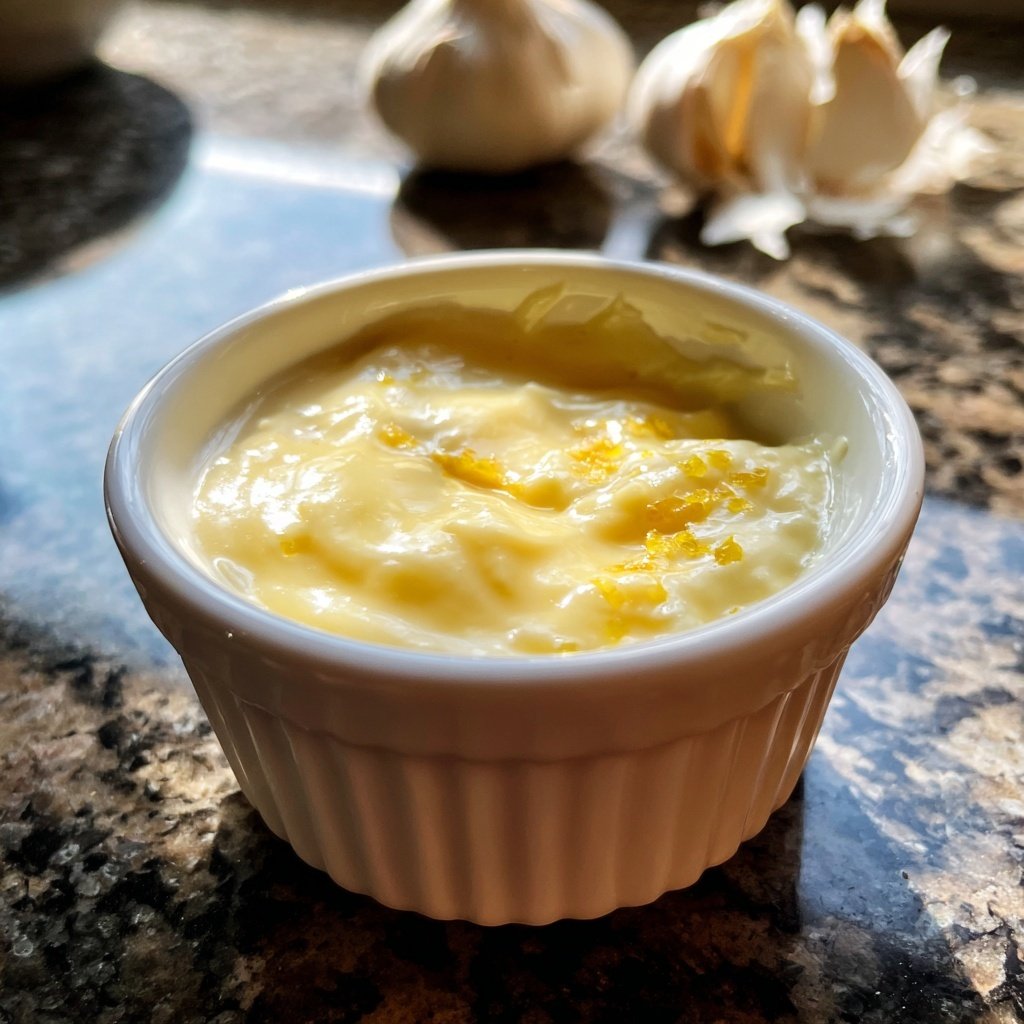
In addition to oil, the temperature of your ingredients can affect emulsion. Ensure your egg yolks are at room temperature, which allows them to combine with the oil more effectively. If you accidentally create a grainy texture, a quick blitz with an immersion blender can help smooth out the mixture again. Knowing the right consistency is key; aim for a thick yet pourable texture that coats the back of a spoon.
Ingredients
Ingredients for Classic Aioli
Aioli Ingredients
- 2 large egg yolks
- 4 cloves garlic, minced
- 1 tablespoon Dijon mustard
- 1 tablespoon lemon juice
- 1 cup extra-virgin olive oil
- Salt to taste
Instructions
Instructions for Classic Aioli
Prepare the Garlic
Mince the garlic cloves finely and place them in a mixing bowl.
Combine Egg Yolks and Mustard
Add the egg yolks and Dijon mustard to the minced garlic, whisking until well combined.
Add Lemon Juice
Stir in the lemon juice and mix thoroughly.
Emulsify
While whisking continuously, slowly drizzle in the olive oil until the sauce thickens and emulsifies. If too thick, add a teaspoon of water to adjust the consistency.
Season
Taste and season with salt as needed. You can also adjust the lemon juice for more tang, if desired.
Pro Tips
- For a flavored aioli, consider adding fresh herbs or spices like basil or smoked paprika for an extra kick.
Storage Tips
Homemade aioli is best enjoyed fresh but can be stored in the refrigerator for up to a week. To keep it fresh, place it in an airtight container with a piece of plastic wrap pressed against the surface, minimizing exposure to air. If you notice it thickening after a few days, simply whisk in a tablespoon of water or lemon juice to restore the desired consistency. Avoid freezing aioli, as the texture tends to separate after thawing, leading to an unappetizing result.
When using leftover aioli, try incorporating it into other dishes. It can make an excellent dressing or sauce for roasted vegetables, or serve as a flavorful companion for grilled meats. Alternatively, you can mix aioli into pasta as a creamy sauce for a quick meal option.
Variations to Try
While the classic aioli is delicious, feel free to explore variations to suit your palate. For a spicy kick, add a pinch of cayenne pepper or a dash of hot sauce during the emulsification process. Alternatively, mixing in fresh herbs such as basil or dill can introduce a refreshing note to the sauce, making it a perfect accompaniment for fish or fresh veggies.
For a more robust flavor profile, consider infusing the olive oil with roasted herbs or spices before use. Simply warm the oil over low heat with sprigs of rosemary or thyme for about 10 minutes, allowing the flavors to meld without burning the oil. Once cooled, strain the oil and use it in your aioli for a unique twist.
Questions About Recipes
→ Can I use olive oil for aioli?
Absolutely! Extra-virgin olive oil is highly recommended for its rich flavor.
→ How long will homemade aioli last?
Homemade aioli can be stored in the refrigerator for up to one week.
→ Is it safe to eat raw eggs in aioli?
If you're concerned about consuming raw eggs, consider using pasteurized eggs to reduce any risks.
→ Can I make aioli vegan?
Yes! You can substitute the egg yolks with aquafaba, the liquid from canned chickpeas, to create a vegan version.
Classic Aioli Sauce Recipe
What You'll Need
Aioli Ingredients
- 2 large egg yolks
- 4 cloves garlic, minced
- 1 tablespoon Dijon mustard
- 1 tablespoon lemon juice
- 1 cup extra-virgin olive oil
- Salt to taste
How-To Steps
Mince the garlic cloves finely and place them in a mixing bowl.
Add the egg yolks and Dijon mustard to the minced garlic, whisking until well combined.
Stir in the lemon juice and mix thoroughly.
While whisking continuously, slowly drizzle in the olive oil until the sauce thickens and emulsifies. If too thick, add a teaspoon of water to adjust the consistency.
Taste and season with salt as needed. You can also adjust the lemon juice for more tang, if desired.
Extra Tips
- For a flavored aioli, consider adding fresh herbs or spices like basil or smoked paprika for an extra kick.
Nutritional Breakdown (Per Serving)
- Calories: 120 kcal
- Total Fat: 13g
- Saturated Fat: 2g
- Cholesterol: 70mg
- Sodium: 50mg
- Total Carbohydrates: 1g
- Dietary Fiber: 0g
- Sugars: 0g
- Protein: 1g